Picto Diary - 15 June 2026 - Talbot Bay (Cyclone Creek and Horizontal Falls) - Really Old Rocks!
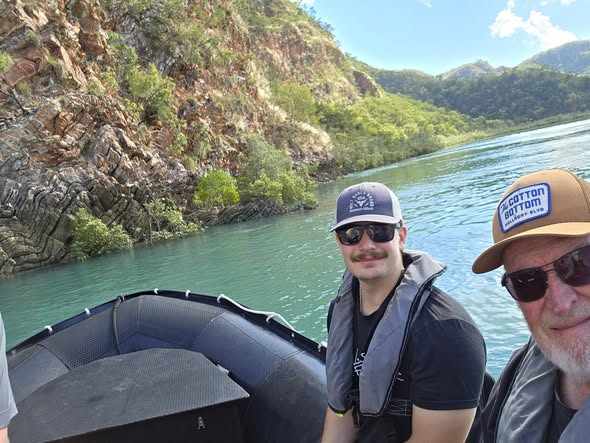
Above: Cyclone Creek, Kimberley, Australia. 15 June 2026.
Seeking The Kimberly.
Seabourn Pursuit
Borrowing heavily from Grok:
Cyclone Creek is a scenic inlet or creek in Talbot Bay, within the remote Buccaneer Archipelago on the Kimberley coast of Western Australia. It is a popular destination for small-boat or Zodiac excursions from expedition cruises, often combined with visits to the nearby Horizontal Falls.
Key Features
- Geology: The area showcases dramatic ancient sandstone formations, folded and buckled rock layers (some ~1.7 billion years old), and cobble conglomerates. These result from massive tectonic collisions when the Kimberley craton joined the rest of Australia. The rocks appear "scrunched like paper," with towering orange cliffs, near-vertical strata, and striking folds visible along the waterway.
- Landscape and Wildlife: Narrow channels wind between rugged cliffs, mangroves, and ancient river plain features. Visitors often spot saltwater crocodiles, Short-eared Rock-wallabies, and diverse birdlife. The extreme tidal range (up to 10–13 metres) influences the area, similar to the Horizontal Falls.
- Access: It is reached mainly by cruise ships or adventure tours (e.g., from Broome or Darwin routes). Zodiac cruises explore its serene upper reaches after thrilling rides through the Horizontal Falls' tidal rapids.
The name "Cyclone Creek" does not refer to a specific cyclone event but likely evokes the powerful natural forces (tides, storms) that shape the Kimberley coast. The region experiences frequent tropical cyclones during the wet season (November–April), which can bring heavy rain and flooding, though Cyclone Creek itself is primarily a tourism highlight for its pristine wilderness and geology.
In short, it offers a quintessential Kimberley experience: remote, geologically spectacular, and accessible only by sea in one of Australia's most untouched coastal wilderness areas.
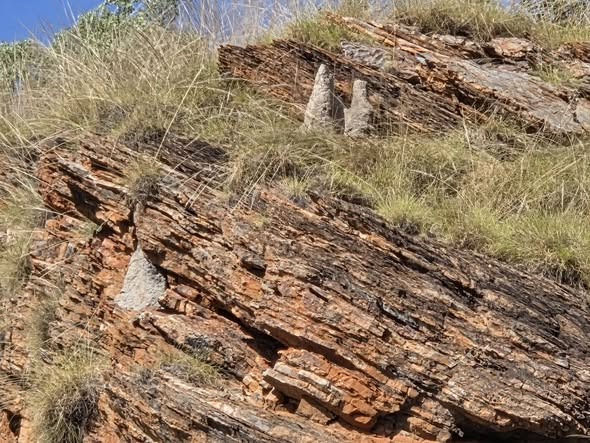
Above: Cyclone Creek, Kimberley, Australia. 15 June 2026.
Seeking The Kimberly.
Seabourn Pursuit
Termite nests amongst the really old rocks.
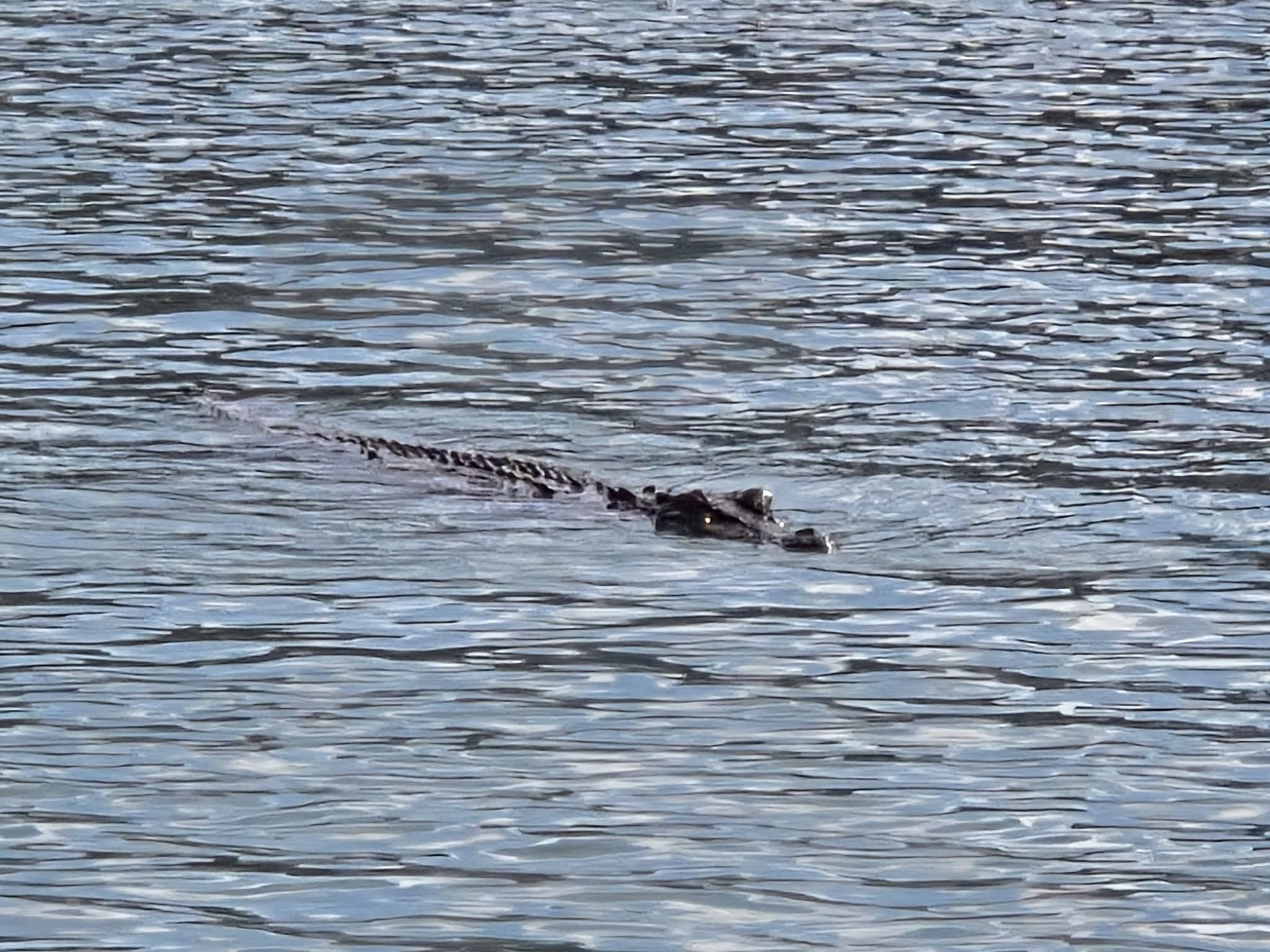
Above: Cyclone Creek, Kimberley, Australia. 15 June 2026.
Seeking The Kimberly.
Seabourn Pursuit
Croc.
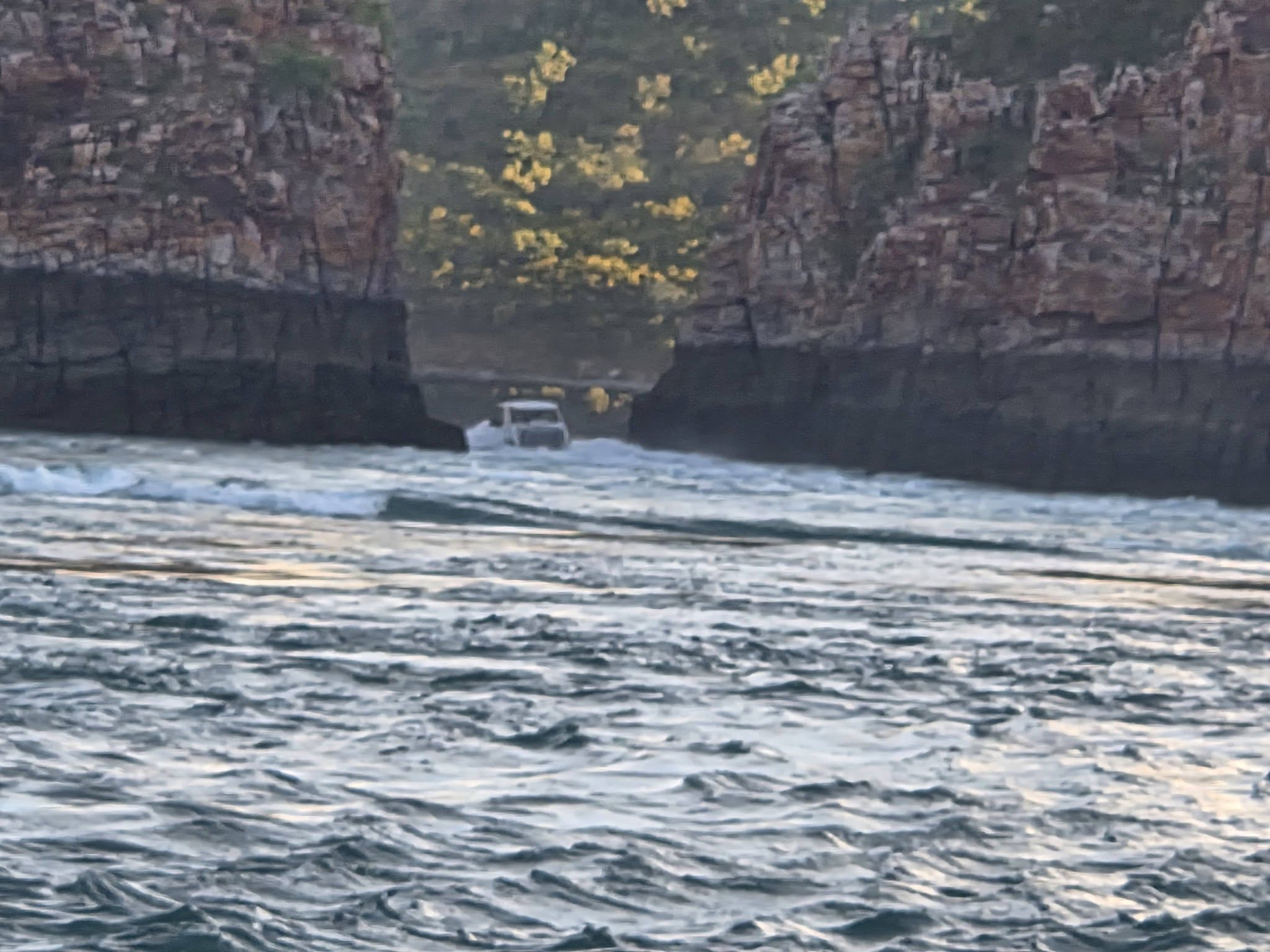
Above: Horizontal Falls, Kimberley, Australia. 15 June 2026.
Seeking The Kimberly.
Seabourn Pursuit
Tourist boat with four hundred horsepower propulsion pushes through the gap against the rushing tidal outflow. Our measly one hundred horsepower zodiacs were prohibited from making the attempt.
Geology of the Red Rock Cliffs at Talbot Bay and Horizontal Falls, Kimberley, Australia
The red rock cliffs at Talbot Bay and the Horizontal Falls (Garaanngaddim) in the Buccaneer Archipelago showcase some of the Kimberley’s most dramatic Precambrian geology. These nearly vertical, iron-stained sandstone formations result from ancient sedimentation, intense folding, long-term erosion, and modern tidal forces.
Rock Formations and Age
The cliffs belong to the Kimberley Basin, with key resistant quartz sandstones date to the Paleoproterozoic (~1.84–1.80 billion years ago).
The striking red-orange hues come from iron oxide (hematite) staining through prolonged weathering and oxidation of iron-bearing minerals.
Structural Geology and Cliff Formation
Intense folding ~540 million years ago (during the King Leopold Orogeny or later events) tilted originally near-horizontal layers to near-vertical or highly contorted orientations, creating synclines and anticlines. Erosion of weaker layers left resistant sandstone ridges as steep cliffs (150–200 m high) rising from the sea.
This produces the classic ria coastline with plunging cliffs, narrow gorges, and embayments.
Horizontal Falls Phenomenon
Massive tidal ranges (up to 10+ m) drive billions of litres of water through two narrow gorges (~300 m apart) in the McLarty Range:
- Wider outer gap: Pentecost Sandstone.
- Narrower inner gap: Warton Sandstone.
Water builds up on one side and rushes through, creating a “horizontal waterfall” effect that reverses with the tide. The gorges act as natural funnels amplified by the rugged bathymetry.
Talbot Bay’s geology highlights ~2 billion years of Earth history in a compact, visually spectacular setting. The combination of ancient folded sandstones, iron-red staining, and extreme tides creates one of Australia’s iconic natural wonders, also holding deep cultural importance for Traditional Owners.This compact, folded landscape exemplifies how tectonics, erosion, and ocean dynamics sculpt one of the world’s most striking coastlines.
Due to safety concerns (including a 2022 boat incident) and cultural considerations from Traditional Owners (Dambimangari people), boat tours traversing directly through the falls are being phased out. Larger cruise operators may cease by the end of the 2026 season, with the main local day-tour operator able to continue until the end of 2028. Viewing from the air and alternative experiences will remain available.
In summary, the Horizontal Falls offer a quintessential Kimberley highlight: a powerful, ever-changing interplay of extreme tides and ancient geology in one of Australia's most pristine and inaccessible wilderness areas. It's a bucket-list destination best experienced as part of a cruise or fly-in adventure.
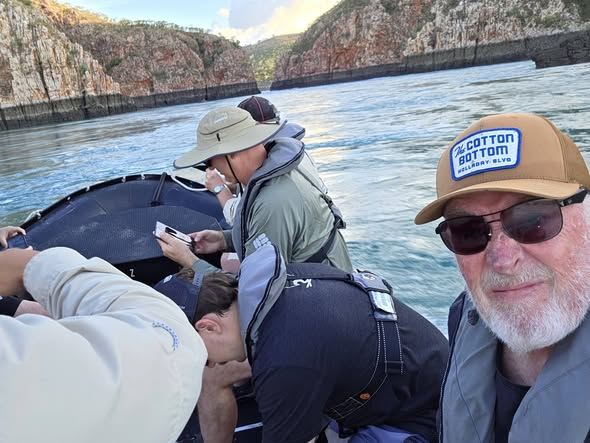
Above: Horizontal Falls, Kimberley, Australia. 15 June 2026.
Seeking The Kimberly.
Seabourn Pursuit
Our zodiac was able to make it "this close" to the falls cliff gap. We were holding on tight. The rushing tidal outflow is rougher than it looks in the image.
Two amazing, unique in the world, geological phenomena two days in a row! Yesterday, Mongomery Reef, and today, Horizontal Falls.
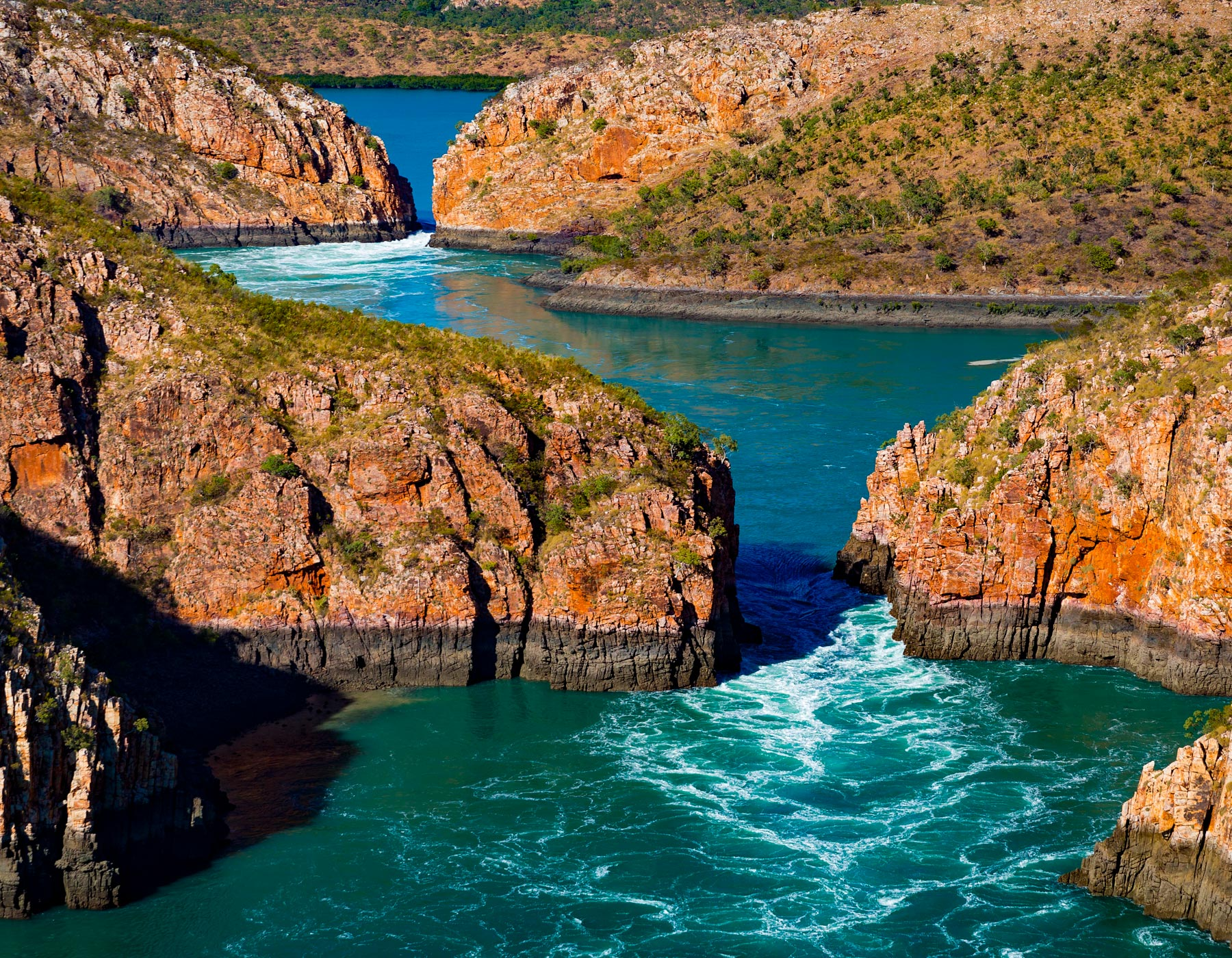
Above: Horizontal Falls, Kimberley, Australia. 15 June 2026.
Seeking The Kimberly.
Seabourn Pursuit
File image.
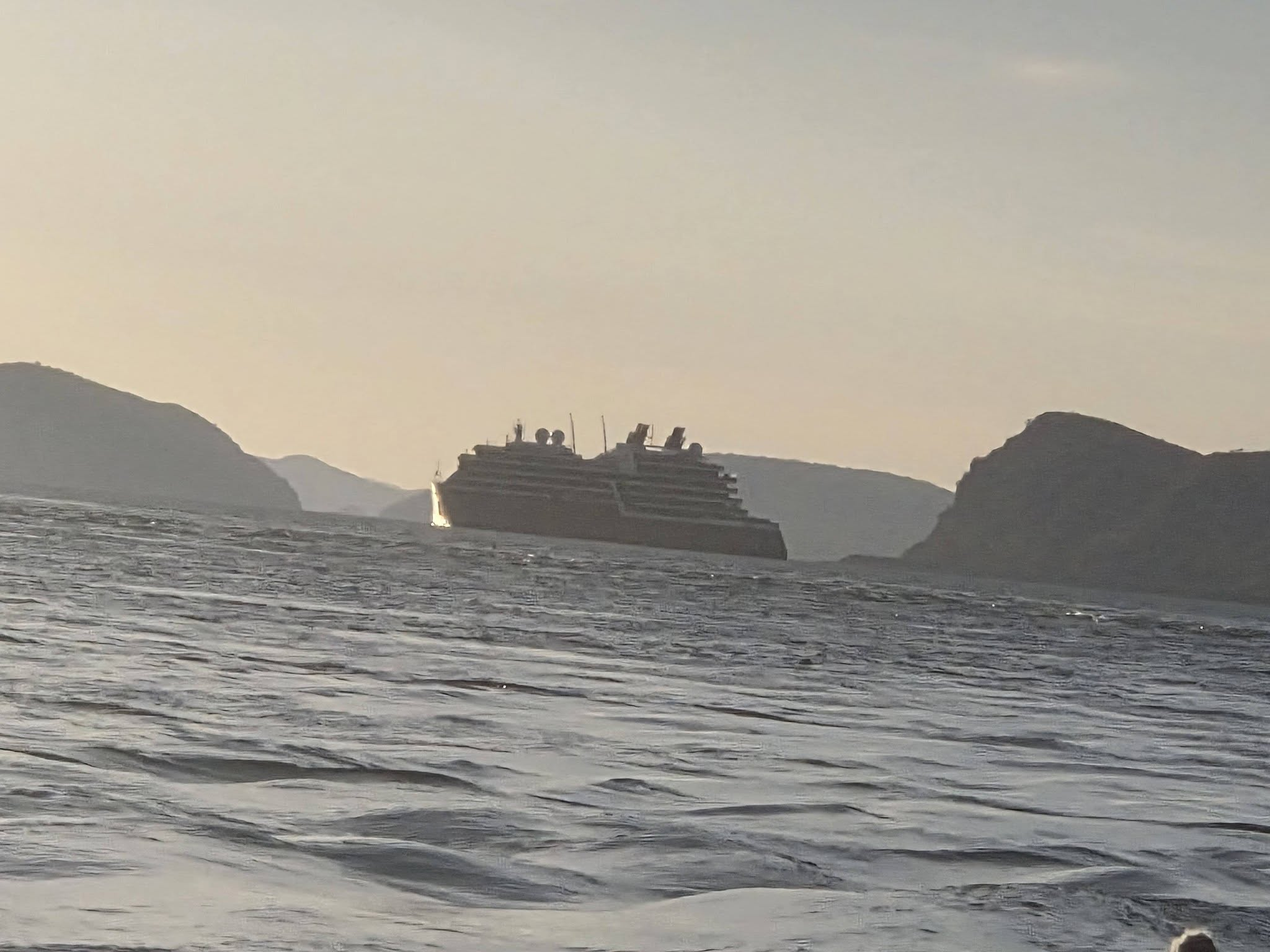
Above: Horizontal Falls, Kimberley, Australia. 15 June 2026.
Seeking The Kimberly.
Seabourn Pursuit,
The Seabourn Pursuit seen against the sun as we return from Horizontal Falls in our zodiac.