Picto Diary - 13 June 2026 - Hunter River
Above: Hunter River, Kimberly, Australia. 13 June 2026.
Seeking the Kimberly.
Seabourn Pursuit.
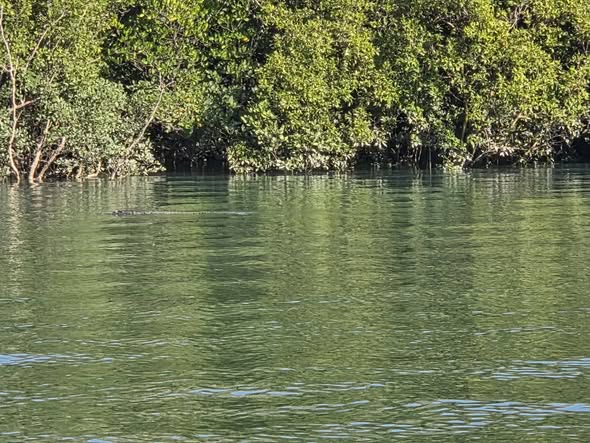
Croc. I tried not to smile as I didn't want to incur the croc's wrath. These are not recreational waters for swimming, waterskiing, snorkeling etc.
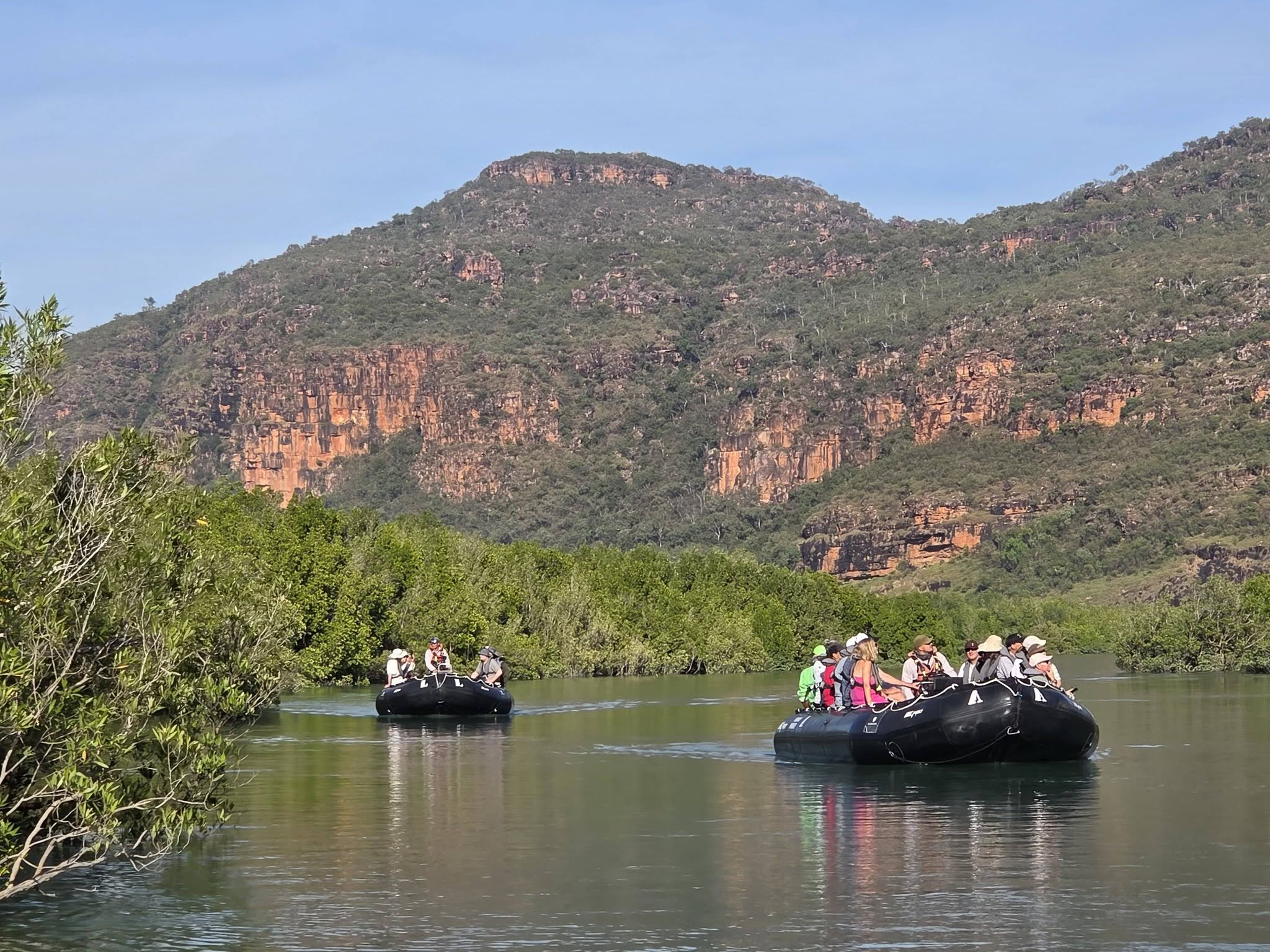
AM Zodiac excursion we stayed in the boat. The idea was to observe dense mangrove communities, birds and crocs in Porosus Creek. Purportedly this area has one of the highest concentrations of crocs anywhere in the world.
Above: Hunter River, Kimberly, Australia.
Seeking the Kimberly.
Seabourn Pursuit.
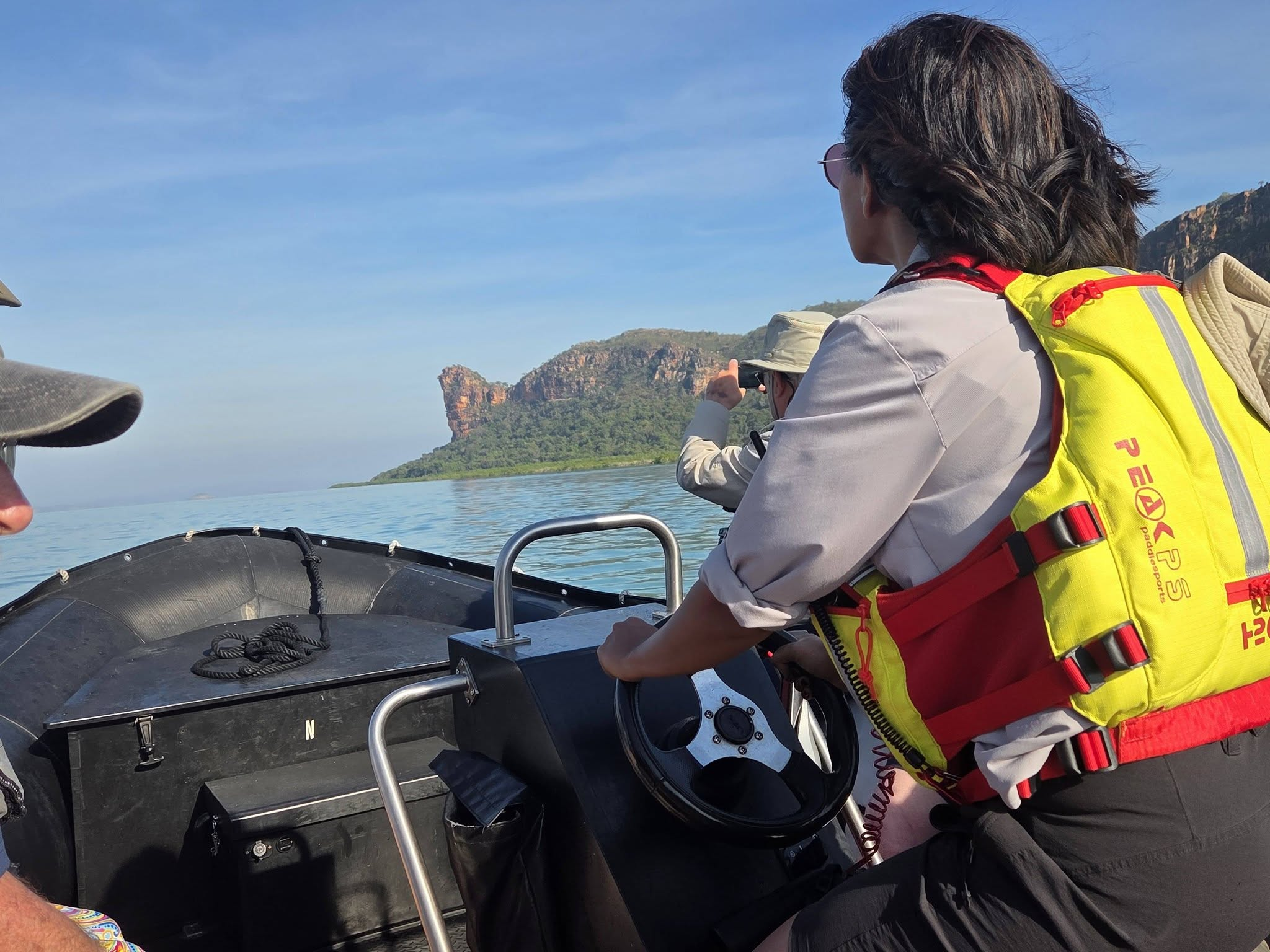
Booking it in the zodiac.
Rock outcropping is Indian Head, a large, distinctive sandstone headland at the mouth of the Hunter River. The rock outcropping is named as it strikingly resembles the chiseled profile of a Native American (Indian) chief.
Above: Hunter River/Porosus Creek. 13 June 2026.
Seeking the Kimberly
Seabourn Pursuit
Zodiacs with mangroves (left) and red rock cliffs (rear).
Above: Hunter River, Kimberly, Australia. 13 June 2026.
Seeking the Kimberly.
Seabourn Pursuit.
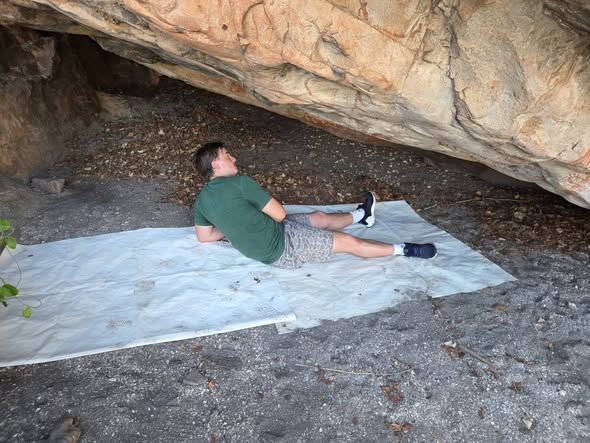
Wandjina aboriginal rock art. 4000 years old. Wandjina are cloud and rain spirits. They are credited with shaping the landscape bringing rain and fertility and establishing laws and customs during the Dreaming. Some of the paintings are living cultural sites. Traditional Owners (Oz term for aborigines) ritually repaint and maintain them to keep them fresh ensuring the spirits remain active and the country is cared for. This makes it one of the world's oldest continuous sacred art traditions.
The Dreaming (also called Dreamtime) is a foundational concept in Australian Aboriginal cultures. It refers to the spiritual worldview, creation stories, laws, and ongoing connection to Country (land, waters, and skies) that define identity, morality, and existence for First Nations peoples.
Tour goers were allowed to take images of rock art but were told by the adventure staff not to circulate them on social media. Here are the key reasons for this caution per Grok:
Key Reasons for Caution (Especially in the Kimberley)
- Sacred and Living Nature: Sites like Wandjina paintings are not just "art" but embodiments of ancestral beings with ongoing spiritual power. Unauthorized or widespread sharing can be seen as disrespectful or breaching cultural protocols. Some images or sites have gender-restricted knowledge.
- Protection from Damage: Social media posts can encourage unguided visitation, selfies, touching, or overcrowding, leading to physical harm. Rangers in places like Carnarvon National Park monitor social media for illegal selfies and issue fines.
- Cultural Authority: Only authorized Traditional Owners traditionally interact with (e.g., repaint) certain images. Leah Umbagai of the Mowanjum Aboriginal Art & Culture Centre has publicly asked visitors to stop taking and sharing photos without proper understanding of protocols.
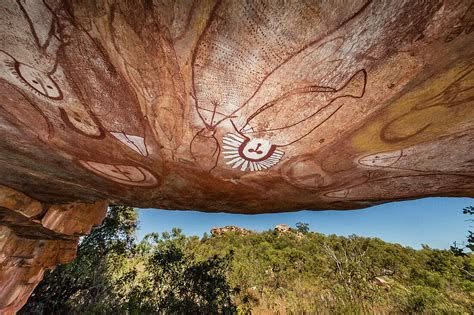
Above: Hunter River, Kimberly, Australia. 13 June 2026.
Seeking the Kimberly.
Seabourn Pursuit.
File image of location for image preceding this one.
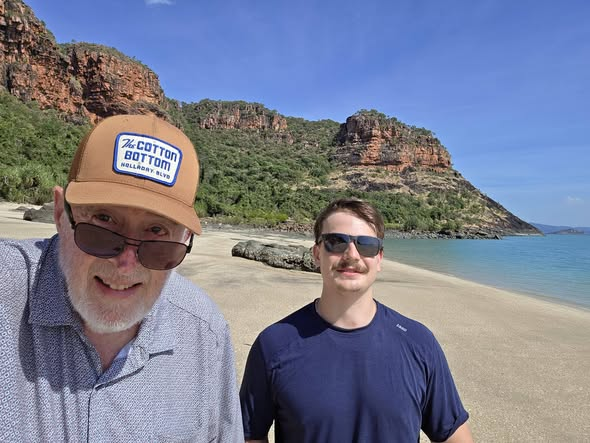
Above: Hunter River, Kimberly, Australia. 13 June 2026.
Seeking the Kimberly.
Seabourn Pursuit.
On the beach.
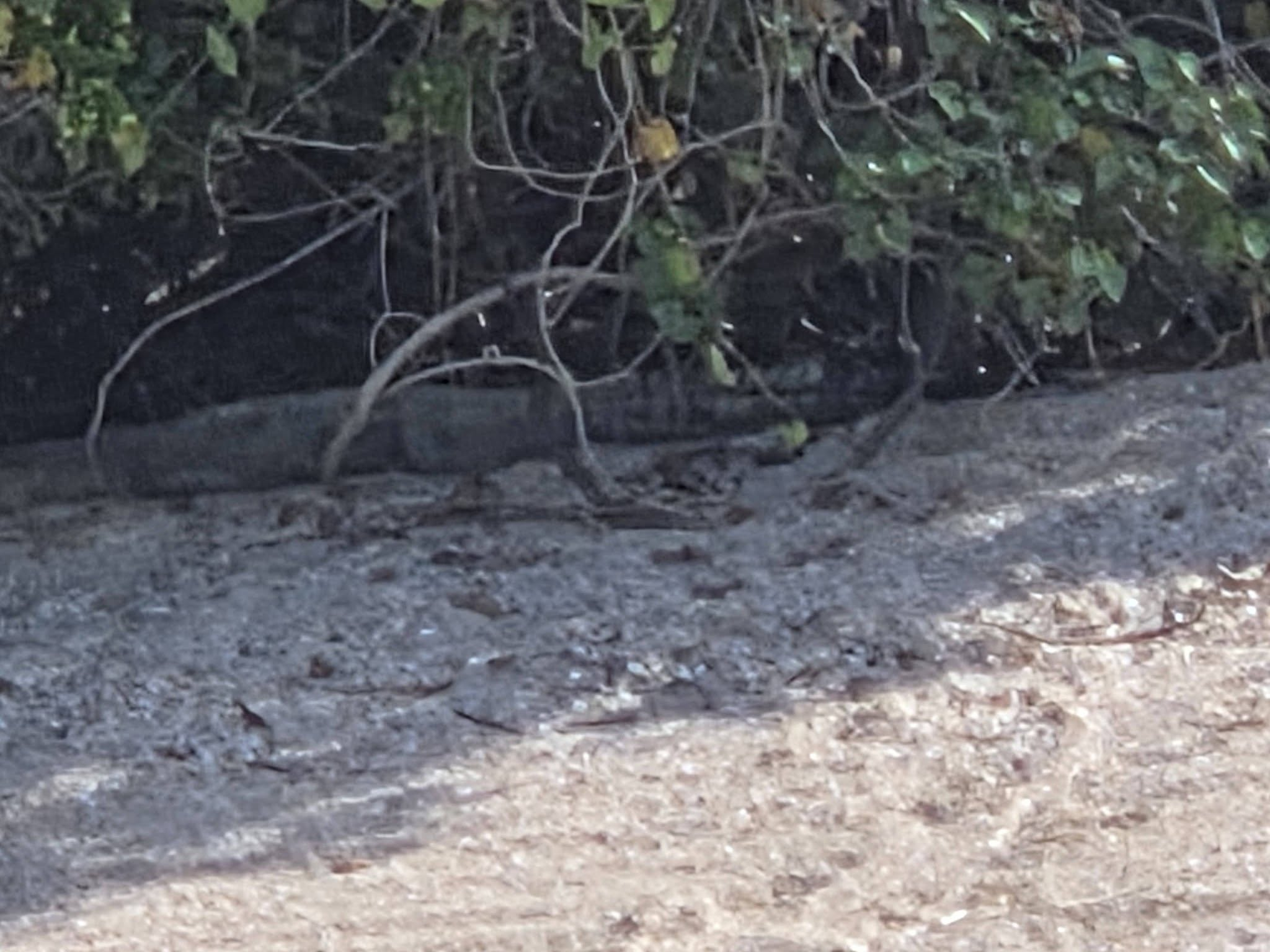
Above: Hunter River, Kimberly, Australia. 13 June 2026.
Seeking the Kimberly.
Seabourn Pursuit
Croc. In the know zodiac driver detoured to see this croc on way back to the Seabourn Pursuit. Image is a zoom in from our zodiac.
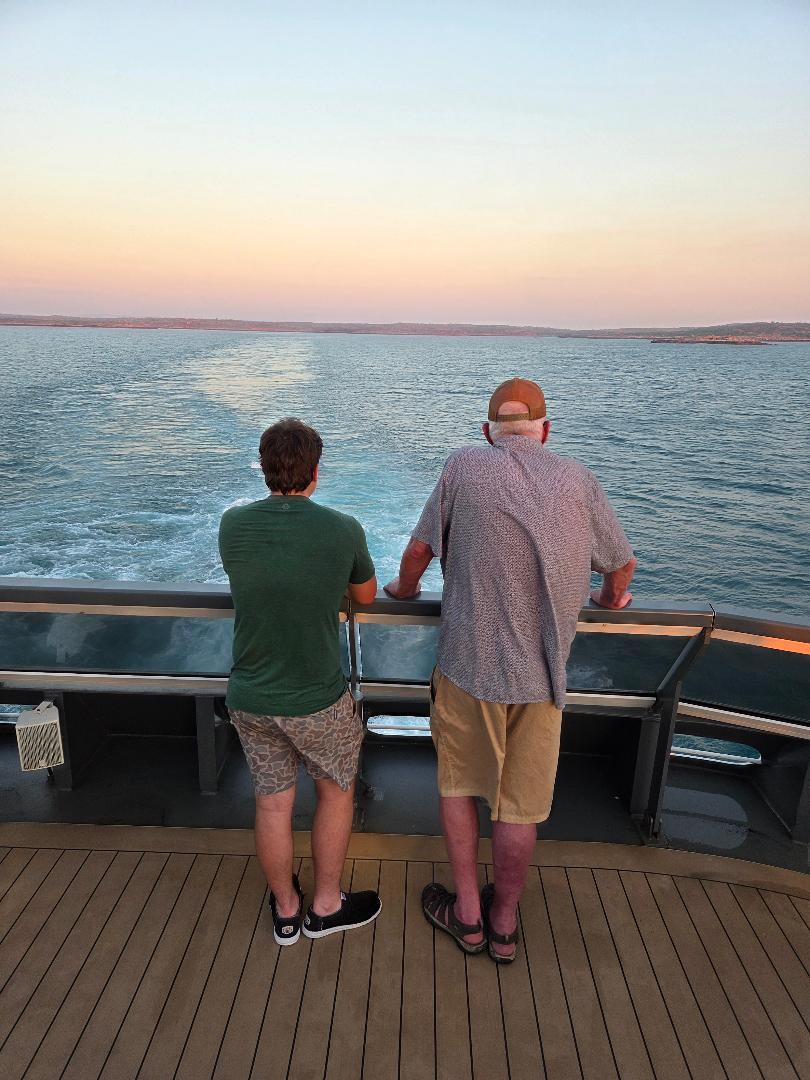
Above: Hunter River (pulling away at dusk). Kimberly, Australia.
Seeking The Kimberly
Seabourn Pursuit.
Grandson and Grandpa pondering having seen terrain and waterways and 4000-year-old rock art seen by few people in the world. Anasazi and Fremont people rock art in Utah is 1000 years old.
Drums has been a great travel companion. He relates well to other cruise goers and staff on the boat. Always cheerful, earnest and curious.